Clinical Injury Rehabilitation
Your Path Back To 100%
We don't just treat the site of your pain, we treat the system that caused it.

Assess
A clinical diagnostic scan to pinpoint the exact mechanism of your injury and identify the compensatory patterns your body has created to protect the area.
Treat
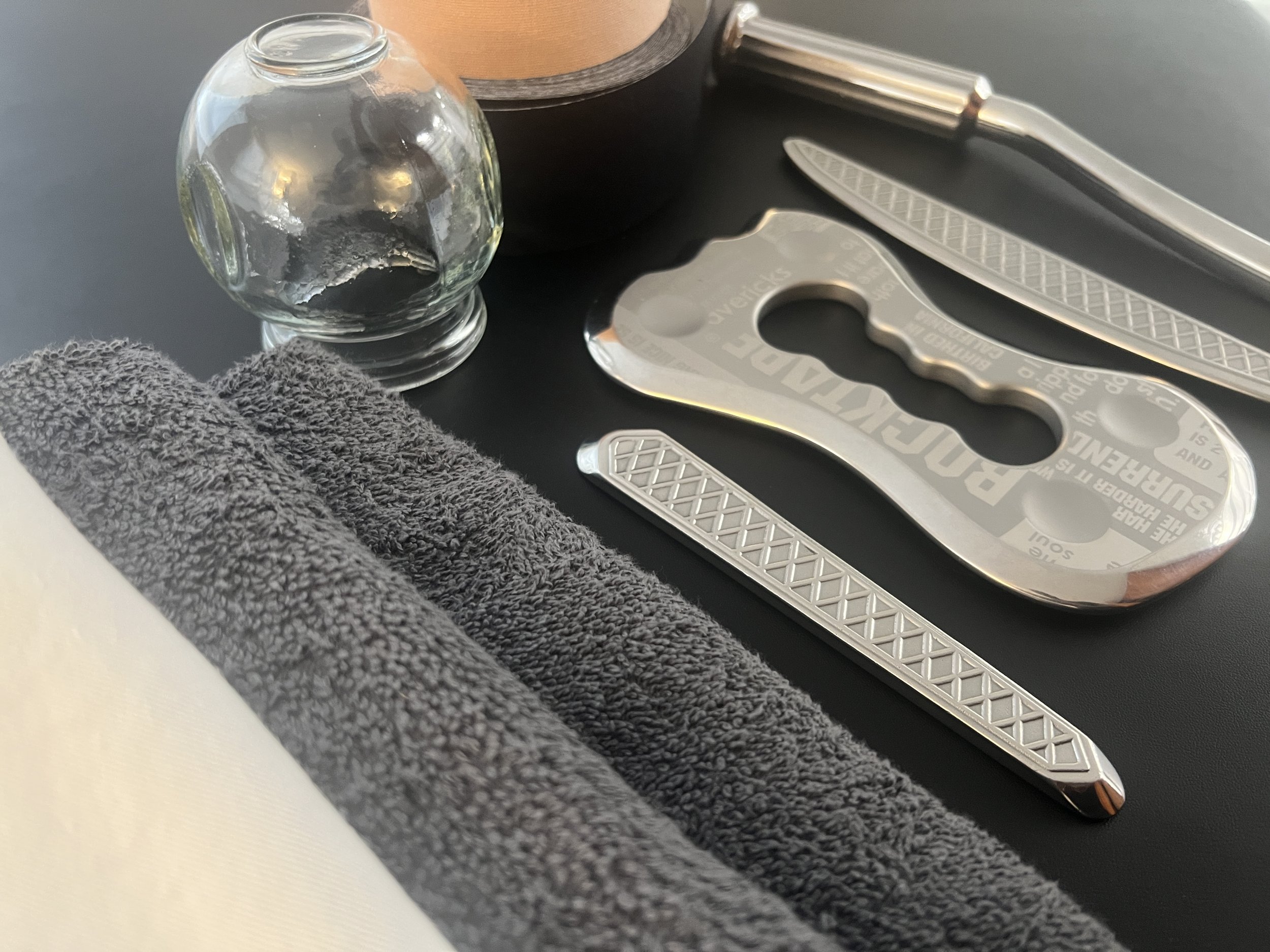
The clinical intervention. We use targeted manual therapy techniques to break down restrictive scar tissue and realign damaged fibres, accelerating the natural healing process.
Resolve
We finish by integrating the repaired tissue back into your movement chain, ensuring the joint is stable, mobile and ready to begin the transition back to 100% capacity.
Stop Managing Pain
Identify Your Pain
Does this sound like you?
Radiating pain that prevents you from completing daily tasks?
Persistent stiffness in a joint or muscle that hasn't improved with rest alone?
Fear of reinjury that is stopping you from returning to the sport or activity you love?
Reduced mobility or guarding a specific area of your body after an injury or surgery?
Managing a long term condition (like MS or Fibromyalgia) and looking for clinical relief?
If you answered yes to any of these questions then Clinical Injury Rehabilitation is for you.
Most people in chronic pain are told to rest, but rest alone doesn't rebuild tissue. The Clinical Injury Rehabilitation is about moving from fragile to functional.
We don't just treat the site of the pain, we look at the entire chain of movement that led to the injury. Whether you are managing a herniated disc, post surgical scar tissue or a long term condition like MS, our goal is to calm the nervous system first. Once the alarm of pain is turned down, we use clinical soft tissue techniques and gentle corrective movement to restore your confidence. You are not just getting a massage, you are participating in a structured comeback plan.
Stop managing the pain. Start the recovery. Book your Clinical Assessment.
The Innovation: Beyond Rest and Ice
When you’re dealing with a long term injury, the standard advice is often to rest, ice it and wait. But waiting is not a strategy, it often leads to stiffness, weakness and a loss of confidence in your own body.
A Smarter Way to Recover: We don’t believe in sitting around hoping you will get better. We proactively build your recovery. While most treatments end the moment you get off the massage table, we use the session as a starting point to get you moving again.
How Our Clinical Bridge Works:
Calming the nervous system: Using targeted soft tissue work and sometimes medical acupuncture and cupping, we focus on Neural Decompression. Essentially, if your brain thinks you are in danger, it keeps your muscles locked tight. We help flip the switch back to a state of safety so your body can relax.
The Micro-Movement Method: We identify the small, specific ranges of motion that doesn’t cause paint. By working within these safe zones, we rebuild your strength without triggering a flare-up.
Progress You Can See: We don't rely on guesswork. We assess your progress using functional testing, so we can adjust your treatment plan in real time as your body gets stronger.
It’s not just about getting back to normal. It’s about building a body that is more resilient than it was before the injury happened. We move you from surviving the pain to mastering your movement.
What’s Included In The 1 hr 20 minutes Session:
Full Clinical History
A deep dive into your injury timeline and goals.
✓
Soft Tissue Remodelling
Specialised techniques to address scar tissue and adhesions.
✓
Custom Rehab Plan
A plan of corrective movements tailored to your recovery stage.
✓
Joint Mobilisation
Restoring the glide and space within your joints.
✓
Who Is This For?
✓Individuals recovering from Post-Surgery limitations.
✓Anyone dealing with Recurring Muscle Tears or ligament strains.
✓Chronic pain sufferers (Back, Neck, Hip) who haven't found relief elsewhere.
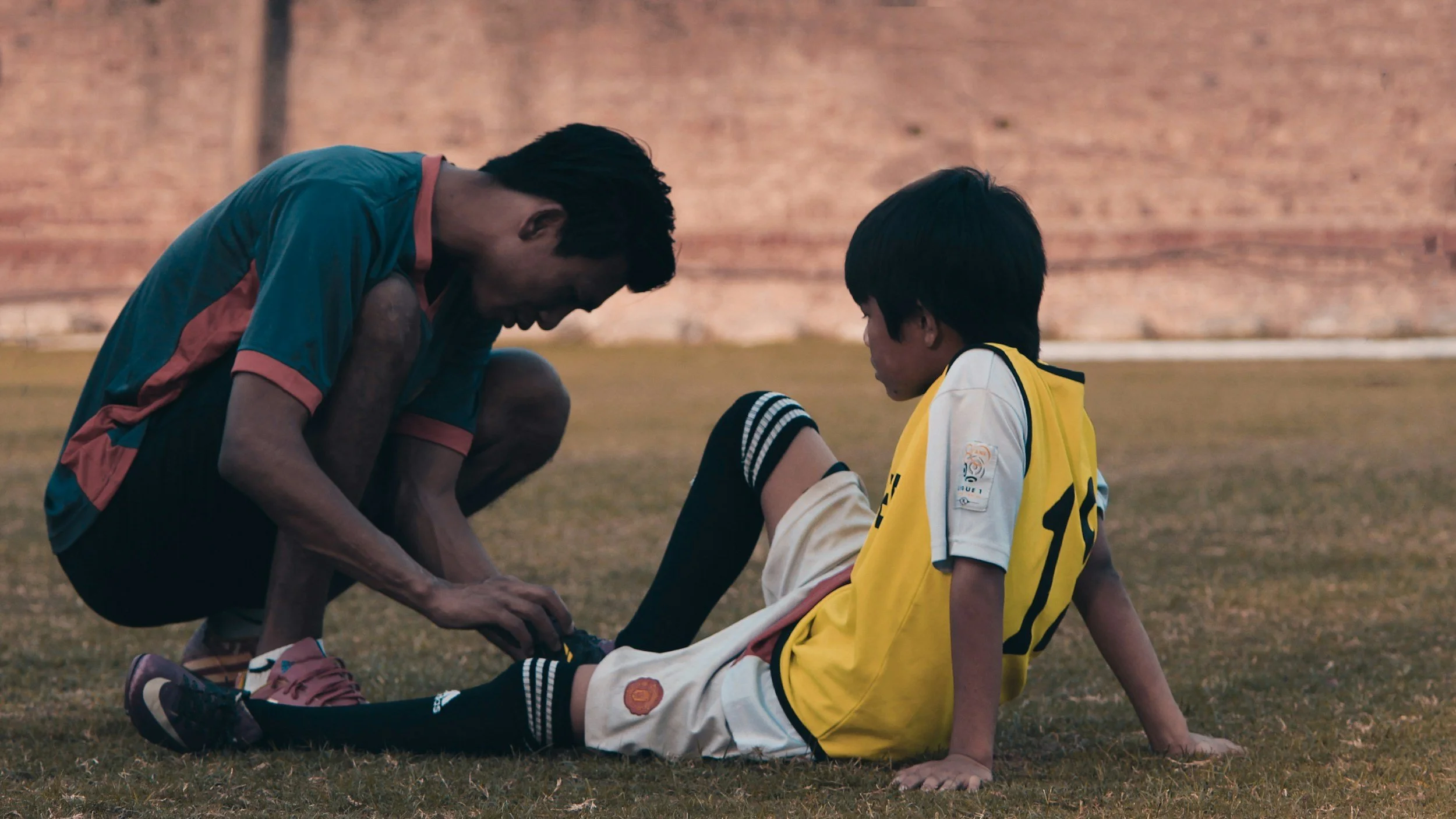
✓Athletes needing a Return to Play strategy.
1. The Consultation
We don’t start on the table. We start with a conversation. We’ll discuss the history of your injury, your daily habits and most importantly what your currently unable to do that you want to get back to.
2. The Movement Screen
You will perform a few simple movements. This helps to see how your body is compensating for the injury. We are not looking for perfect movement, we are looking for the root cause of your restriction.
3. The Hands On Work
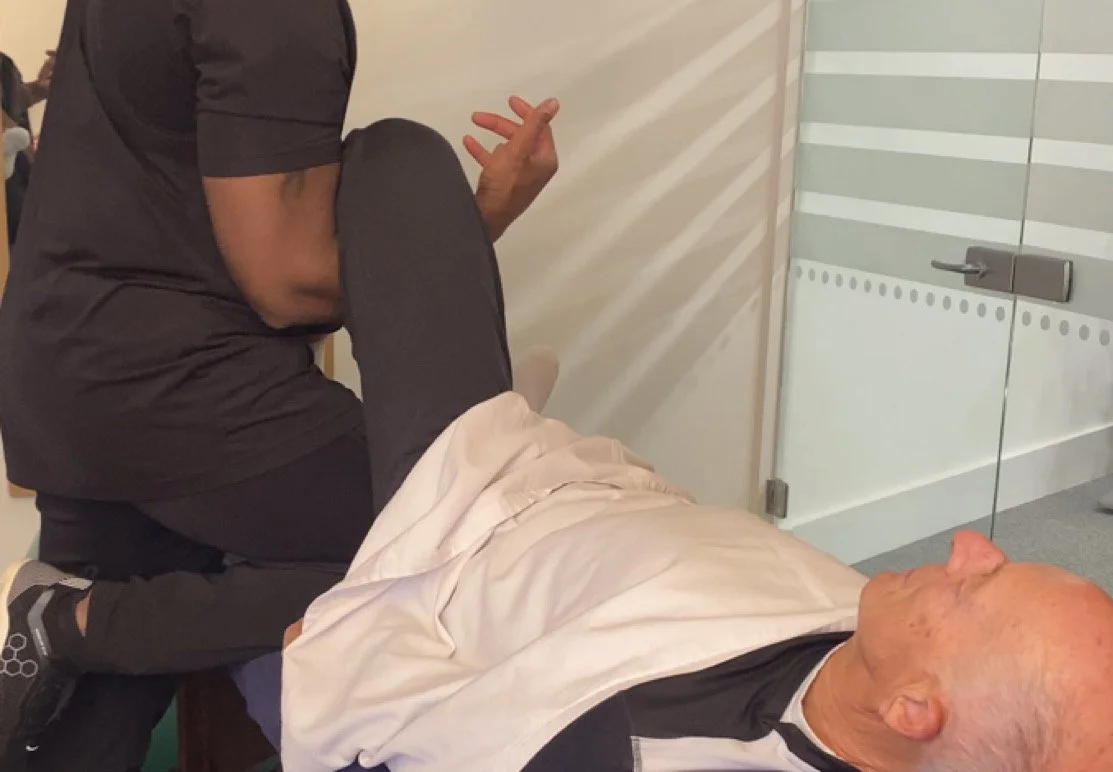
Once we have a plan, we move to the clinical work. This is a mix of deep tissue therapy and specialised manual techniques. While it can be intensive, we work entirely within your comfort level. The goal is to loosen the tissues that are holding you back.
4. The Home Care Plan
You won’t leave wondering what to do next. We’ll spend the final moments of the session going over a few key movements or habits you can implement immediately. You’ll walk out with a clear understanding of what’s happening with your body and exactly how we’re going to fix it.
What to Expect: Your First Rehab Session
Frequently Asked Questions:
Cupping & Acupuncture
-
I hear this all the time. Honestly?
Most people don't even feel the needle go in. These are ultra fine, clinical grade needles, nothing like the ones used for vaccinations. You might feel a dull ache or a slight twitch when we hit a trigger point, but that’s actually a good sign, it means the muscle is finally releasing its grip.
You don’t have to have this with your treatment. It’s totally up to you.
-
The circular marks (ecchymosis) are totally normal and a sign of increased blood flow. They are not bruises in the traditional sense because they don't hurt to touch. They usually fade in 3–7 days. Most of my clients wear them as a badge of recovery, it's proof that we’ve successfully decompressed the tissue and moved stagnant blood out of the muscles.
You don’t have to have this with your treatment. It’s totally up to you.
-
While traditional acupuncture focuses on energy flow (Qi), Medical Acupuncture is strictly anatomical. We use it to target 'rigger points, the specific knots in your muscles that cause referred pain. It’s a science based tool used to reset your nervous system and shut down chronic pain signals.
-
Think of it as a massage in reverse. Instead of pushing into the muscle, cupping uses suction to pull the tissue upward. This creates space between the layers of fascia and muscle, allowing fresh, oxygenated blood to flood the area. It’s incredibly effective for deep seated tension that manual massage alone can’t reach.
-
For the vast majority of people, yes. However, during your Initial Consultation, we go through a full health screen. If you have certain skin conditions, are on blood thinning medication or are in the early stages of pregnancy, we may adjust the technique or choose a different tool from our kit to ensure you’re always safe.
-
We usually recommend taking it easy for 12–24 hours after a session involving needles or cups. Your body will be focusing it’s energy on cellular repair and tissue recovery in the treated areas. By giving it a rest day and staying hydrated, you’ll feel the full benefits by the next day.